The popular contemporary assumption that there has always been a universally accepted, seven-chakra rainbow model is historically inaccurate. In reality, Indian esoteric traditions produced diverse maps designed for specific contemplative practices.
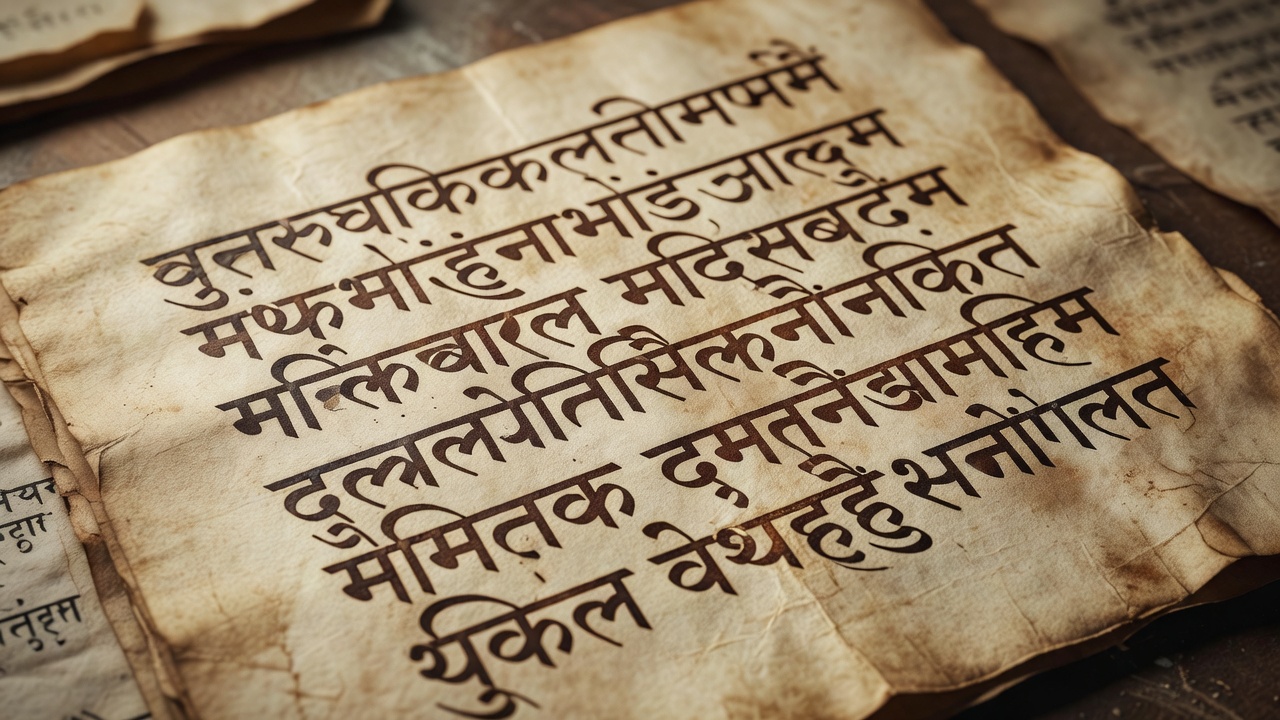
Vedic Foundations and Tantric Emergence
The Sanskrit noun cakra translates to wheel, circle, or discus. In the earliest Vedic literature (c. 1500–500 BCE), the term carried ritual and astronomical significance, referring to the solar wheel of time, chariot wheels, and sovereignty. While subtle body references appear tangentially in the late Upanishads (such as the Prasna and Maitri Upanishads), detailed anatomical-symbolic diagrams were not systematically codified until the rise of medieval Tantric traditions between the 7th and 12th centuries CE.
In Tantric yoga systems—including Shaiva, Shakta, and Buddhist Vajrayana lineages—chakras were never described as physical organs discoverable through surgery. Instead, they were mental constructs and focal points (dharana sthana) where the yogic practitioner installed mantras, deities, and elemental symbols to transform conscious awareness. Depending on the lineage's specific ritual objectives, classical texts described systems with four, five, six, seven, nine, or even twenty-one centers.
Diversity of Medieval Models
Indologist and Sanskrit scholar Dr. Christopher Wallis has observed that Tantric yoga manuscripts frequently created bespoke energy maps suited to specific meditations. For instance:
- The Kubjikamata Tantra: Promoted an influential five-point and six-point system central to the Western transmission of the goddess Kubjika.
- The Netra Tantra: Detailed a six-point vertical schema focused on visualizing white nectar permeating the body for purification and longevity.
- Vajrayana Buddhist systems: Commonly utilized a four-chakra system (navel, heart, throat, and crown) associated with the four noble truths and four joyful states.
This multiplicity reveals that early masters viewed these maps as functional cognitive instruments rather than immutable biological architecture. You chose a map that served your specific contemplative focus.
The Six-Plus-One Synthesis
The seven-center map prevalent across the world today derives primarily from a single sixteenth-century text: the Sat-Cakra-Nirupana ("Description of the Six Centers"), written by the Bengali master Purnananda Yati around 1577. Purnananda described six principal centers located along the spinal column, crowned by the thousand-petaled lotus (Sahasrara) above the head.
Purnananda assigned specific Sanskrit syllables to each petal, along with elemental symbols (earth, water, fire, air, space, mind), geometric shapes (squares, crescents, inverted triangles), and animal vehicles. His system was intentionally comprehensive, synthesizing centuries of prior esoteric thought into an elegant vertical hierarchy.
Textual Reference Point
Purnananda Yati's work remained largely confined to regional scholastic circles in Bengal until 1919, when British judge and orientalist Sir John Woodroffe published an annotated English translation under the pseudonym Arthur Avalon titled The Serpent Power.
The 20th-Century Western Synthesis
Woodroffe's translation captivated Western intellectuals, occultists, and psychologists. The Swiss psychiatrist C.G. Jung delivered a renowned series of seminars on Kundalini yoga in 1932, interpreting the chakras as progressive stages in psychological individuation and conscious development.
During the late 1960s and 1970s, authors within the Human Potential and New Age movements—most prominently Christopher Hills and Anodea Judith—further adapted the model. Hills mapped the seven chakras directly onto Isaac Newton's visible color spectrum (red, orange, yellow, green, blue, indigo, violet), an association absent from classical Indian literature, where centers were visualized in diverse shades such as smoke-grey, vermilion, golden yellow, or glistening white.
Understanding this evolutionary trajectory allows modern practitioners to honor the profound philosophical heritage of India while recognizing that popular color charts, gemstone pairings, and endocrine correlations are modern Western interpretations rather than ancient gospel.