A Grounded Sequential Curriculum

EXPLORE CHAKRA PRACTICE, ONE IDEA AT A TIME

Chakra traditions offer rich symbolic frameworks for somatic awareness, mindful breathing, and personal reflection. We demystify the centuries-old literature, placing historical context and health realities ahead of modern commercial hype.

START WITH THE FOUNDATIONS READ HISTORICAL ORIGINS
01
01 / BEFORE YOU BEGIN

Topic Summary and Health Boundaries

Before introducing visual cues or breathing rhythms, we establish one essential premise: chakra philosophy is an interpretive, contemplative system. It developed across centuries of spiritual and meditative inquiry rather than clinical dissection or biological measurement.

Treating energy centers as symbolic focal points allows you to practice mindfulness, cultivate self-regulation, and observe bodily sensations without confusing subjective experience with biomedical diagnosis. These practices do not cure physical disease or replace evidence-based medical and psychological care.

Health Boundary Commitment

Whenever you encounter physical illness, persistent fatigue, neurological symptoms, or acute emotional distress, consult a certified physician or licensed mental health professional. Reflective traditions support personal reflection; they do not replace healthcare.

View Safety Principles
02
02 / WHERE THE MAP COMES FROM

Traditions and History

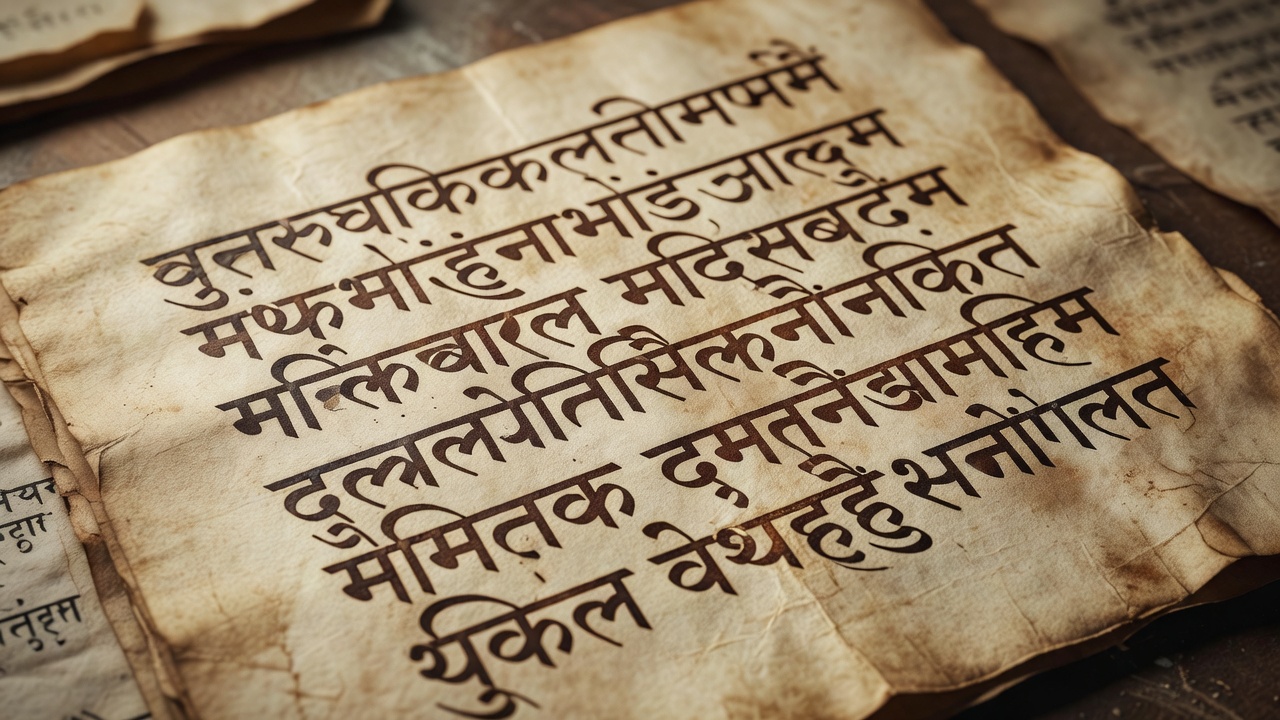
The concept of cakra (literally "wheel" or "circle" in Sanskrit) originated in ancient Indian spiritual texts, initially appearing in the early Upanishads and flourishing within medieval Tantric and Hatha Yoga lineages. Rather than presenting a single rigid system, historical manuscripts described varying numbers of centers—ranging from four to dozens—depending on the meditation deity or lineage.

The standard seven-chakra model popular in modern global culture stems largely from sixteenth-century Bengali texts such as Purnananda Yati's Sat-Cakra-Nirupana. This work was later translated into English by Arthur Avalon (Sir John Woodroffe) in his 1919 publication The Serpent Power, which introduced Western audiences to the iconic vertical axis.

Explore Historical Lineages →
Close-up detail of historical Sanskrit manuscript on textured paper parchment
03
03 / READ THE SYMBOLS

Chakra Interpretations

In traditional Tantric literature, chakras are meditative constructs (bhavana) visualized during meditation, paired with seed sounds (bija mantras), geometric yantras, and patron deities. Twentieth-century Western esoteric thinkers, notably C.G. Jung and later New Age theorists, linked these nodes to psychological stages and rainbow spectrum colors.

Grounding

Muladhara & Svadhisthana

The base and pelvic centers symbolize physical safety, rootedness, emotional fluidity, and foundational bodily awareness.

Read lower models →
Expression

Manipura & Anahata

The solar plexus and heart centers represent purposeful vitality, compassion, balance, and relational boundaries.

Read middle models →
Insight

Vishuddha & Beyond

The throat, third eye, and crown centers correspond to authentic voice, introspective clarity, and contemplative integration.

Read upper models →
04
04 / TRY A GENTLE PRACTICE

Optional Contemplative Routines

You do not need to believe in mystical energy conduits to benefit from meditative body scans. By placing focused, non-judgmental attention on anatomical regions along the spine, practitioners frequently experience reduced muscle guarding, calmer diaphragmatic breathing, and clearer mental focus.

Shallow focus detail of hands resting calmly on a woven natural meditation mat

Sequential Three-Step Sequence

1. Grounding Posture: Settle the pelvic floor onto a steady cushion or firm chair, aligning the crown toward the ceiling.

2. Segmental Breath: Guide a four-count breath toward the lower abdomen, then ribs, then upper chest.

3. Neutral Observation: Notice sensations of warmth, coolness, or tightness without attempting to force emotional breakthroughs.

Explore Full Exercises
05
05 / KEEP CLAIMS IN PERSPECTIVE

Evidence and Safety

Somatic psychology and neuroscience recognize the value of interoception—the nervous system's capacity to perceive internal bodily signals. However, claims that specific crystals, tuning forks, or distant energy healers unblock physical vessels remain scientifically unsubstantiated.

Our educational approach emphasizes informed skepticism: enjoy the poetic depth and mindfulness benefits of chakra systems while maintaining a grounded grasp of modern science and consumer protection.

Subject Area Traditional / Symbolic View Clinical & Evidence Perspective
Chakra Anatomy Subtle energy vortexes situated along the Sushumna nadi. No physical cellular structures detected; helpful as internal cognitive maps.
Energy Blockages Stagnant prana causing personal or spiritual friction. Psychophysiological stress, muscular tension, or psychological distress.
Healing Modalities Sound vibration, stone resonance, ritual balancing. Relaxation response, placebo effect, and mindful self-observation.
Read full claims & safety review →
06
06 / TAKE YOUR QUESTIONS FURTHER

FAQ, Editorial Method and Contact

Whether you are researching comparative religion, exploring contemplative yoga, or seeking clarification on wellness claims, we provide transparent references and an open channel for correspondence.

Frequently Asked Questions

Read detailed explanations covering history, western adaptations, and practical safety questions.

Read 9 Common FAQs →

Editorial Mission

Learn how Clipbungalowfzz reviews historical manuscripts and maintains independent educational standards.

About Our Approach →

Draft Your Inquiry

Use our client-side plain-text composer tool to formulate questions before sending via your mail client.

Open Inquiry Tool →